What You Should Know Before Owning Discus Fish: A Beginner’s Care Guide
Kelvin takes us through a beginner’s guide to keeping Discus.
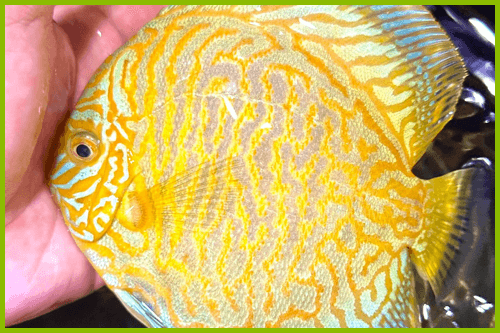
Discus fish are often called the “king of the aquarium”—but they’re also one of the most misunderstood species among new fish keepers. Their striking colours and graceful movement attract many beginners, yet owning Discus successfully requires far more than visual appeal and basic aquarium knowledge.
Before bringing Discus fish home, it’s important to understand that they are not a casual or low-maintenance choice. Discus demand stable water conditions, proper tank space, consistent care routines, and a level of patience that differs from keeping more forgiving tropical fish.
This beginner’s care guide is designed to help you make an informed decision before owning Discus fish. We’ll cover what Discus need to thrive, the commitment involved, common beginner mistakes, and realistic expectations around size, lifespan, tank setup, and daily care. Whether you’re completely new to Discus or considering upgrading from easier species, this guide will help you decide if Discus fish are the right fit for your aquarium—and your lifestyle.
Are Discus Fish Suitable for Beginners?
The short answer is: it depends on the beginner.
Discus fish are often labelled as “advanced” aquarium fish, not because they are impossible to keep, but because they demand consistency, preparation, and patience. For beginners who are willing to learn and commit, Discus can be kept successfully. For those looking for an easy or low-maintenance fish, Discus are usually not the right choice.
When Discus Fish May Be Suitable for Beginners
Discus can be suitable for beginners who:
- Are you willing to research before buying
- Can maintain stable water conditions
- Understand the importance of regular water changes
- Are prepared to invest time, effort, and budget
Beginners with some prior experience keeping tropical fish often adapt more easily, especially if they already understand basic aquarium maintenance and water quality management.
When Discus Fish Are Not Ideal for Beginners
Discus are usually not suitable if you:
- Want a “set and forget” aquarium
- Have limited time for maintenance
- Are unable to maintain consistent water parameters
- Plan to keep Discus in small or overcrowded tanks
Discus are sensitive to stress and water quality changes, and beginner mistakes that might be forgiven by hardier fish can quickly lead to health issues in Discus.
The Key Factor: Mindset, Not Skill Level
Owning Discus fish is less about advanced technical skills and more about discipline and routine. Many Discus failures happen not because keepers lack knowledge, but because care is inconsistent.
If you approach Discus with the right mindset (patient, observant, and willing to learn), you can manage them, even for motivated beginners. Without that commitment, they can quickly become challenging and stressful to keep.
Understanding Discus Fish Before You Buy
Before owning Discus fish, it’s important to understand them beyond their appearance. Knowing how big they grow, how long they live, and why prices vary so widely will help you set realistic expectations—and avoid costly mistakes.
a) Discus Fish Size and Growth Potential
Discus fish are often sold while still young and relatively small, which can mislead beginners about their true size.
- Average adult size: around 15–18 cm
- Maximum size: can reach up to 20 cm in optimal conditions
Growth rate depends heavily on:
- Water quality and consistency
- Tank size and stocking density
- Diet and feeding frequency
In undersized tanks or poor conditions, Discus may survive but fail to reach their full size, resulting in stunted growth and long-term health issues. This is why tank planning should always consider adult size, not the size of the fish at purchase.
Also read the OZ Discus article about What to Feed Discus Fish: A Complete Feeding Guide
b) Discus Fish Lifespan
With proper care, Discus fish are a long-term commitment.
- Typical lifespan: 8–10 years
- Well-maintained aquariums: can exceed 10 years
Factors that influence Discus lifespan include:
- Stable water parameters
- Consistent maintenance routines
- Proper nutrition
- Low stress environment
Poor water quality, frequent parameter swings, or chronic stress can significantly shorten their lifespan. Discus are not short-term display fish—they are a long-term responsibility.
c) Why Discus Fish Can Be Cheap or Expensive
One of the most confusing things for beginners is the wide price range of Discus fish.
Discus may be cheap when:
- They are mass-produced or lower-grade stock
- Health, genetics, or growth quality is compromised
- They have not been properly quarantined or conditioned
Discus tend to be expensive when:
- They come from reputable breeders/farms
- They have strong genetics, good shape, and vibrant colour
- They are well-grown, healthy, and properly acclimated
It’s important to understand that cheap Discus can often become expensive later due to: Higher disease risk, poor growth outcomes, and increased losses and treatment costs.
For beginners, buying healthy, well-raised Discus from a trusted source is usually more cost-effective in the long run.
The Commitment Required to Keep Discus Fish
Keeping Discus fish is not just about having the right equipment, it’s about committing to a consistent routine. Discus thrive on stability, and that stability only comes from regular care and attention over the long term.
a. Time and Routine Commitment
Discus require ongoing involvement, not occasional maintenance. This includes:
- Regular water changes
- Daily observation of behaviour and appetite
- Consistent feeding schedules
- Monitoring water quality
Skipping maintenance or being inconsistent, even for short periods, can lead to stress and health issues that Discus are particularly sensitive to.
b. Financial Commitment
Owning Discus fish often costs more than keeping standard tropical fish. Expenses may include:
- A suitably sized aquarium and filtration system
- High-quality food
- Water treatment and testing supplies
- Potential treatment or quarantine costs
While it’s possible to manage costs wisely, Discus should never be approached as a budget fish.
c. Learning and Emotional Commitment
Discus keeping involves continuous learning. You’ll need to:
- Understand fish behaviour and stress signals
- Learn how water quality affects health
- Adjust care routines as fish grow and mature
There will be moments of trial and error, and patience is essential. Discus reward attentive keepers, but they are unforgiving of neglect.
Why Consistency Matters More Than Experience
Many Discus failures don’t happen because owners lack experience, but because care becomes inconsistent over time. Discus fish prefer predictability over perfection.
If you can commit to steady routines and long-term care, Discus keeping becomes manageable—even for motivated beginners. Without that commitment, Discus quickly become challenging.
Discus Fish Care Basics Every Beginner Must Know
Successful Discus keeping starts with getting the basics right. Many problems beginners face come from overlooking fundamental care requirements rather than advanced techniques. Understanding tank setup, water conditions, and feeding routines will set the foundation for healthy, stable Discus fish.
1) Discus Tank Setup and Tank Size
Tank size is one of the most critical factors in Discus care.
- Minimum recommended tank size:
Larger tanks are always better for Discus, especially when kept in groups. - Discus are social fish and should be kept in small groups rather than alone.
- More water volume means:
- Greater water stability
- Reduced stress
- Easier maintenance
Also read the OZ Discus article about Best Discus Fish Tank Mates: Build a Peaceful Community Tank in 2026
Keeping Discus in tanks that are too small often leads to:
- Stunted growth
- Increased aggression
- Poor water quality
When planning a Discus tank, always base your setup on the adult size of the fish, not their size at purchase.
Also read the OZ Discus article about How to Set Up a Discus Tank: A Beginner-Friendly Step-by-Step Guide
2) Discus Temperature and Water Conditions
Discus fish are tropical fish that prefer warm, stable water.
- Ideal temperature range: generally higher than most community fish
- Temperature should remain consistent, as sudden changes can cause stress
In Celsius, Discus are commonly kept in the higher temperature range, making stability more important than hitting an exact number.
Key water care principles include:
- Regular water changes
- Avoiding sudden parameter shifts
- Maintaining clean, well-filtered water
Chasing “perfect” numbers is less important than maintaining stable, predictable conditions.
Also read the OZ Discus article about 6 Essential Things You Need To Know About Fish Tank Filters
3) Feeding Discus Fish Properly
Proper feeding plays a major role in Discus health and growth.
- Discus requires high-quality, nutritious food
- Juvenile Discus need more frequent feeding than adults
- Overfeeding can quickly degrade water quality
A balanced feeding routine supports:
- Healthy growth
- Strong immune systems
- Better colour development
Beginners should focus on consistent, moderate feeding rather than trying to accelerate growth through heavy feeding.
Common Beginner Mistakes When Owning Discus
Many problems with Discus fish don’t come from bad intentions—they come from small mistakes made early on. Understanding these common beginner errors can save you time, money, and unnecessary stress for both you and your fish.
- Buying Discus Without Proper Preparation
- Keeping Discus in Tanks That Are Too Small
- Inconsistent Water Changes
- Overfeeding or Poor Feeding Habits
- Mixing Incompatible Tank Mates
Also read the OZ Discus article about The Importance of Keeping Discus Fish in Groups
Conclusion
Owning Discus fish is a rewarding experience, but only for those who are prepared for the responsibility that comes with it. Discus are not difficult because they are fragile; they are challenging because they require consistency, patience, and long-term commitment.
Before owning Discus fish, understand their needs, prepare your tank, and assess your long-term commitment. An informed decision ensures a healthy, stress-free experience for both of you.
Disclaimer: This is a guide only. OZ Discus is not liable for any losses and holds no responsibility in the event of the death of the fish. Users of this guide are to use the information at their own discretion and accept all risks resulting from the use of this guide.
Looking for More Expert Tips? Or the Discus Collection in Australia?
Explore more fish care articles, ask us questions, or browse our collection.
👉 Explore Fish Care Articles
👉 Shop High-quality Ornamental Fish
Shop OZ Discus
Visit our Live Fish Explorer and discover our premium Discus fish for sale.
We import our fish from the best farms and breeders around the world to ensure that you have the highest quality Discus for your fishkeeping journey.